
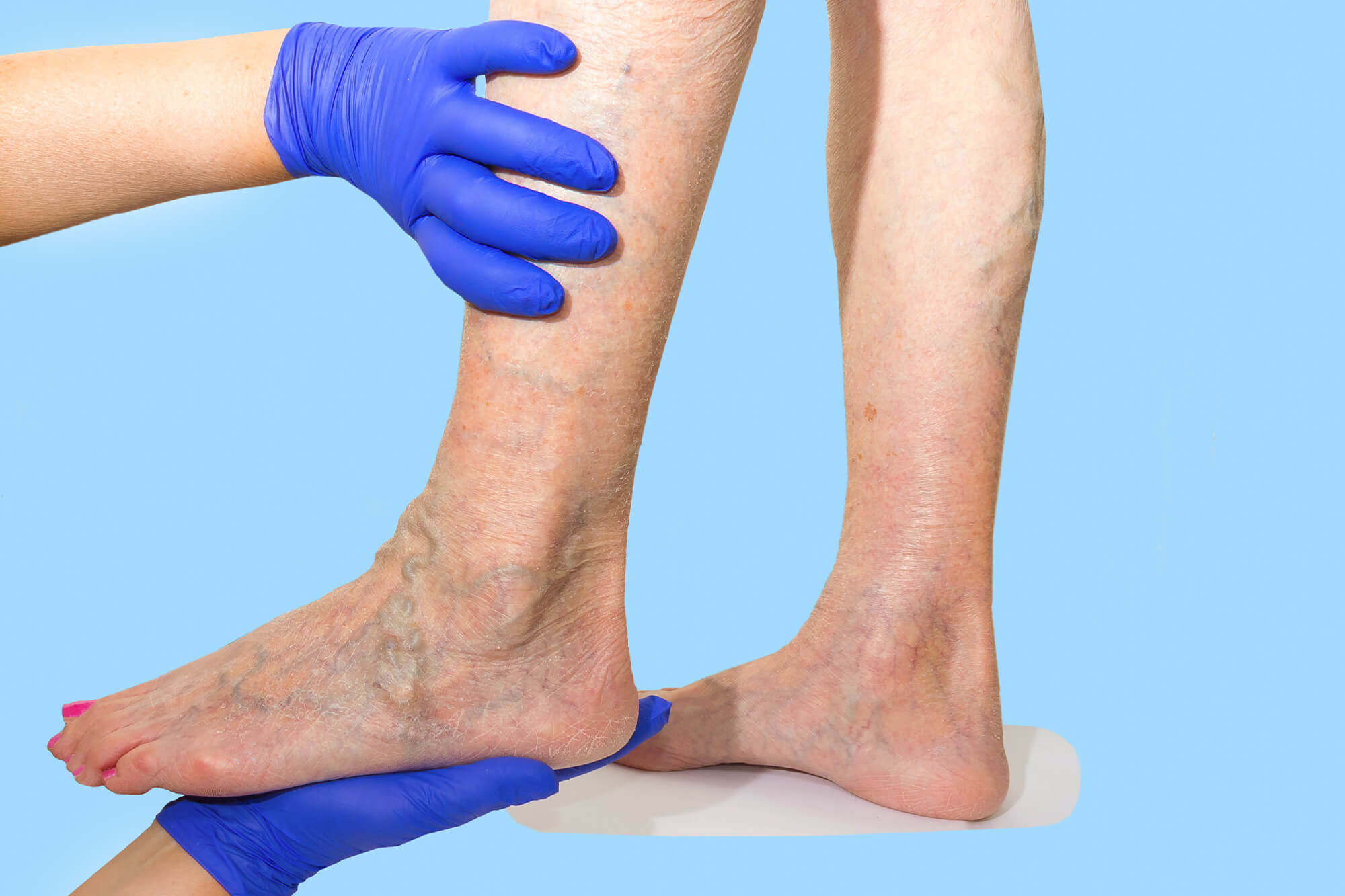
CVI occurs when the tiny one-way valves inside the leg veins become weak or damaged. Instead of keeping blood moving upward toward the heart, the valves allow blood to leak backward (a condition called venous reflux). This causes blood to pool in the veins, leading to increased pressure, swelling, and long-term damage to skin and tissue.
CVI is common, especially in adults over 40, but often goes undiagnosed until it progresses to more advanced stages.
Symptoms can start mild and worsen over time. Common signs include:
Cramping or burning sensations at night
Left untreated, CVI can progress to chronic skin changes, non-healing ulcers, and infections.
CVI develops gradually, often due to a combination of genetics, lifestyle, and health factors. Risk factors include:
Early or mild cases may improve with lifestyle changes:
These measures relieve symptoms but don’t repair faulty valves.
Modern treatments are safe, effective, and done in-office with little to no downtime:
Rare but sometimes necessary for advanced cases:
Do your legs swell after standing or sitting for long periods? Do you struggle with aching, heaviness, or restless legs at night? Have you noticed skin darkening or even sores near your ankles? These symptoms may point to Chronic Venous Insufficiency (CVI) — a circulation condition that develops when the veins in your legs can’t properly return blood to your heart.
At Premier Vascular, our board-certified vascular surgeons specialize in diagnosing and treating CVI. Serving patients across Macon and Central Georgia, we provide comprehensive care to restore healthy blood flow, relieve symptoms, and prevent complications like venous ulcers.
At Premier Vascular, diagnosis begins with a consultation and physical exam, followed by non- invasive testing:
Testing is quick, painless, and done in-office.
While CVI isn’t usually life-threatening, untreated disease can cause:
Early treatment helps you feel better, prevents complications, and restores confidence.
CVI isn’t life-threatening, but it can cause serious skin changes and ulcers if untreated.
Not exactly. Varicose veins are a visible symptom of CVI, but CVI involves deeper vein dysfunction.
No. Without treatment, CVI usually worsens over time.
No. Minimally invasive procedures are well tolerated with little or no downtime.
Yes, when CVI causes pain, swelling, ulcers, or other medical issues, insurance (including Medicare) typically covers treatment.
Schedule a consultation and duplex ultrasound to confirm whether your veins are working properly.
You don’t have to live with heavy, swollen, or aching legs. At Premier Vascular, we provide safe, effective treatments for Chronic Venous Insufficiency to restore circulation and improve your quality of life.
Call 478-250-9785 today to schedule your CVI evaluation.
Serving patients across Macon and Central Georgia.