
Uterine fibroids can cause heavy periods, pelvic pressure, bloating, pelvic pain, and frequent urination that interfere with daily life. If you’re living with symptoms like these, you’re not alone — fibroids affect up to 70% of women by age 50. While they are noncancerous, they can significantly impact comfort, energy levels, and overall quality of life.
At Premier Vascular in Macon, Georgia , our team provides advanced, minimally invasive treatment for fibroids through Uterine Fibroid Embolization (UFE) . We proudly serve patients throughout Central Georgia and surrounding communities , offering expert care close to home.
UFE is a nonsurgical, image – guided procedure that shrinks fibroids by reducing their blood supply — helping relieve symptoms while preserving the uterus and avoiding major surgery. Our board – certified vascular specialists use advanced technology and a personalized approach to ensure each patient receives comprehensive evaluation, clear guidance, and the highest standard of care from consultation through recovery.
UFE is a minimally invasive procedure that blocks the blood supply to fibroids, causing them to shrink and die.
Over time, the fibroids shrink and symptoms improve — often dramatically.
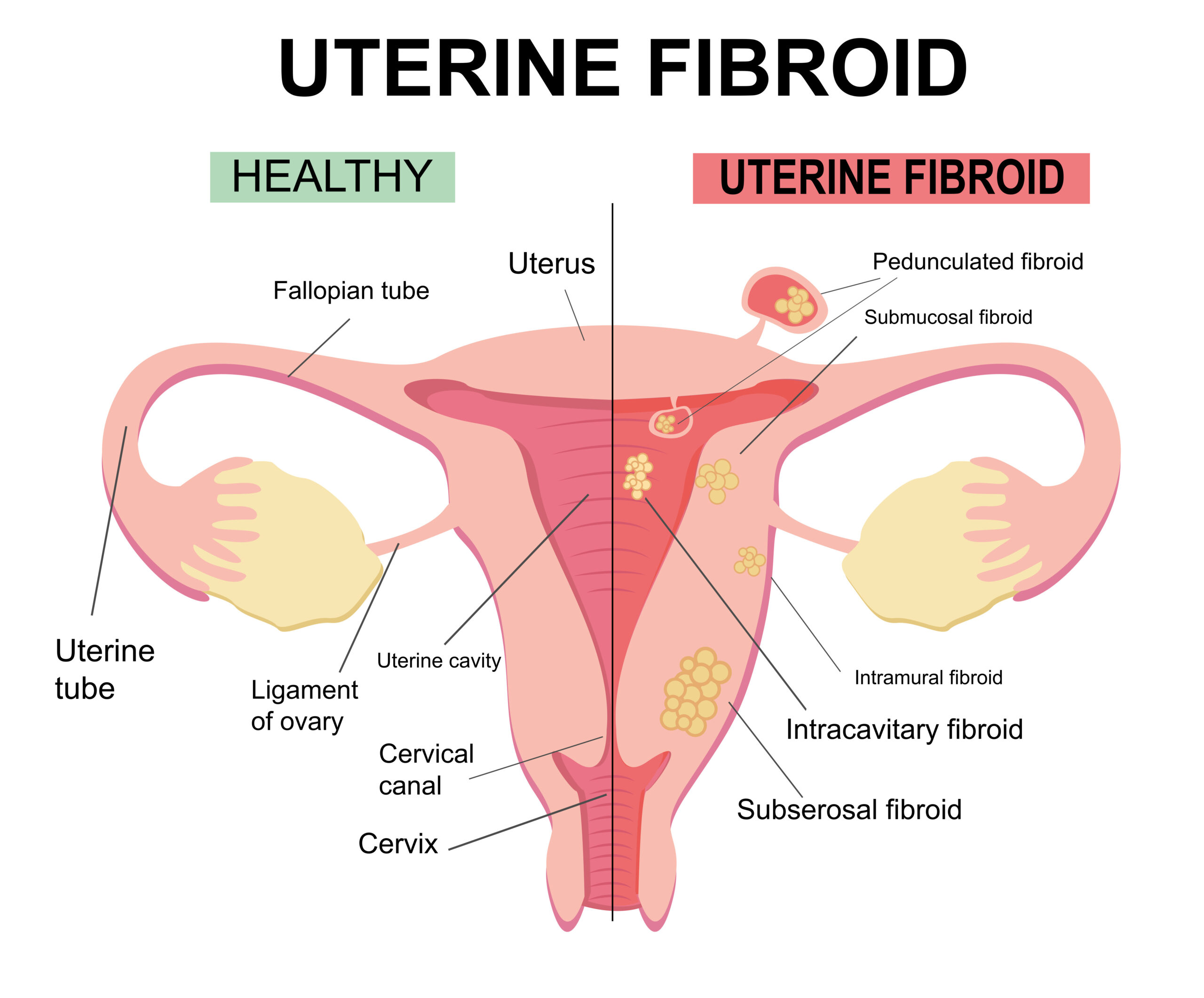
Uterine fibroids (also called leiomyomas) are common, noncancerous growths made of smooth muscle that develop in or on the uterus. They can form within the uterine wall, inside the uterine cavity, or on the outer surface of the uterus. Fibroids most often appear during a woman’s reproductive years and vary widely in size, number, and location.
Fibroids are extremely common. About 30% of women develop fibroids by age 35, and up to 70 – 80% of women develop them by age 50. While they are considered tumors, fibroids are benign and do not increase the risk of uterine cancer.
Because fibroids are hormone – responsive and can grow over time, symptoms may gradually worsen without treatment. Early evaluation can help determine whether monitoring, medication, or minimally invasive treatment such as Uterine Fibroid Embolization (UFE) is the best option.
Fibroids can range from small, symptom-free growths to large masses causing significant problems. Common symptoms include:
If you’re experiencing symptoms that may be caused by uterine fibroids and are interested in Uterine Fibroid Embolization (UFE), the first step is a comprehensive evaluation. This helps confirm the diagnosis, rule out other conditions, and ensure UFE is a safe and appropriate treatment option.
Before moving forward with UFE, patients typically meet the following requirements:
This evaluation process allows our team at Premier Vascular in Macon, Georgia to create a personalized treatment plan and confirm that UFE is the right next step for symptom relief and long – term care.
Uterine Fibroid Embolization is performed in our office using advanced imaging and minimally invasive techniques to shrink fibroids and relieve symptoms.
The procedure typically takes about 60 – 90 minutes, and most patients go home the same day. Fibroids shrink gradually over time, leading to improvement in bleeding, pressure, and pain.
On average, 85% of women who undergo UFE have significant relief of heavy bleeding, pain, and bulk – related symptoms. The procedure is effective for multiple and/or large fibroids.
If you’re experiencing symptoms that may be caused by uterine fibroids and are interested in Uterine Fibroid Embolization (UFE), the first step is a comprehensive evaluation. This helps confirm the diagnosis, rule out other conditions, and ensure UFE is a safe and appropriate treatment option.
Before moving forward with UFE, patients typically meet the following requirements:
Performed in our advanced outpatient vascular lab under sedation and local anesthesia.
Most women go home the same day with pain medicine and follow-up instructions.
Fibroids begin to shrink within weeks, with continued improvement over several months.
Heavy periods. Pelvic pain. Frequent urination. If you’re living with symptoms caused by uterine fibroids, you’re not alone. Fibroids affect up to 70% of women by age 50, and while they’re not cancerous, they can dramatically affect quality of life.
At Premier Vascular, our board-certified vascular surgeons offer Uterine Fibroid Embolization (UFE) — a safe, minimally invasive procedure that shrinks fibroids, relieves symptoms, and preserves your uterus. Serving women across Macon and Central Georgia, we’re here to provide advanced treatment options beyond traditional surgery.
UFE is an option for women who:
Why UFE Is a Strong Treatment Option
Uterine Fibroid Embolization offers meaningful symptom relief with fewer disruptions to your life.
Benefits include:
Many patients return to work and daily activities faster than with traditional fibroid surgery.
Some women experience cramping for a few days after the procedure, but it’s usually well managed with medication.
UFE preserves the uterus, but fertility after UFE varies. It’s generally recommended for women who are not planning pregnancy.
The procedure typically takes 60–90 minutes, with most patients going home the same day.
Fibroids treated with UFE do not return. However, new fibroids can develop, especially in younger women.
Yes. UFE is considered a medically necessary procedure and is covered by Medicare and most insurance plans.
| Hysterectomy | UFE | |
| Removes Uterus | Preserves Uterus | |
| Approach | Highly – invasive surgery with one or several scars | Minimally invasive procedure with one pin – sized nick |
| Average Hospital Stay | 2-3 days | None; outpatient procedure |
| Recovery Time | 2-6 Weeks | 1 week |
| Sedation | eneral anesthesia required | No general anesthesia required |
Heavy periods. Pelvic pain. Frequent urination. If you’re living with symptoms caused by uterine fibroids, you’re not alone. Fibroids affect up to 70% of women by age 50, and while they’re not cancerous, they can dramatically affect quality of life.
At Premier Vascular, our board-certified vascular surgeons offer Uterine Fibroid Embolization (UFE) — a safe, minimally invasive procedure that shrinks fibroids, relieves symptoms, and preserves your uterus. Serving women across Macon and Central Georgia, we’re here to provide advanced treatment options beyond traditional surgery.
UFE is an option for women who:
Some women experience cramping for a few days after the procedure, but it’s usually well managed with medication.
UFE preserves the uterus, but fertility after UFE varies. It’s generally recommended for women who are not planning pregnancy.
The procedure typically takes 60–90 minutes, with most patients going home the same day.
Fibroids treated with UFE do not return. However, new fibroids can develop, especially in younger women.
Yes. UFE is considered a medically necessary procedure and is covered by Medicare and most insurance plans.
UFE avoids major surgery, preserves the uterus, and has a quicker recovery. It is a strong alternative for women who want relief without hysterectomy.
If uterine fibroids are disrupting your life, you don’t have to settle for hysterectomy as your only option. At Premier Vascular, we offer Uterine Fibroid Embolization (UFE) — a minimally invasive treatment that relieves symptoms and restores quality of life.
Call 478-250-9785 today to schedule your UFE consultaton.
Serving patients across Macon and Central Georgia.